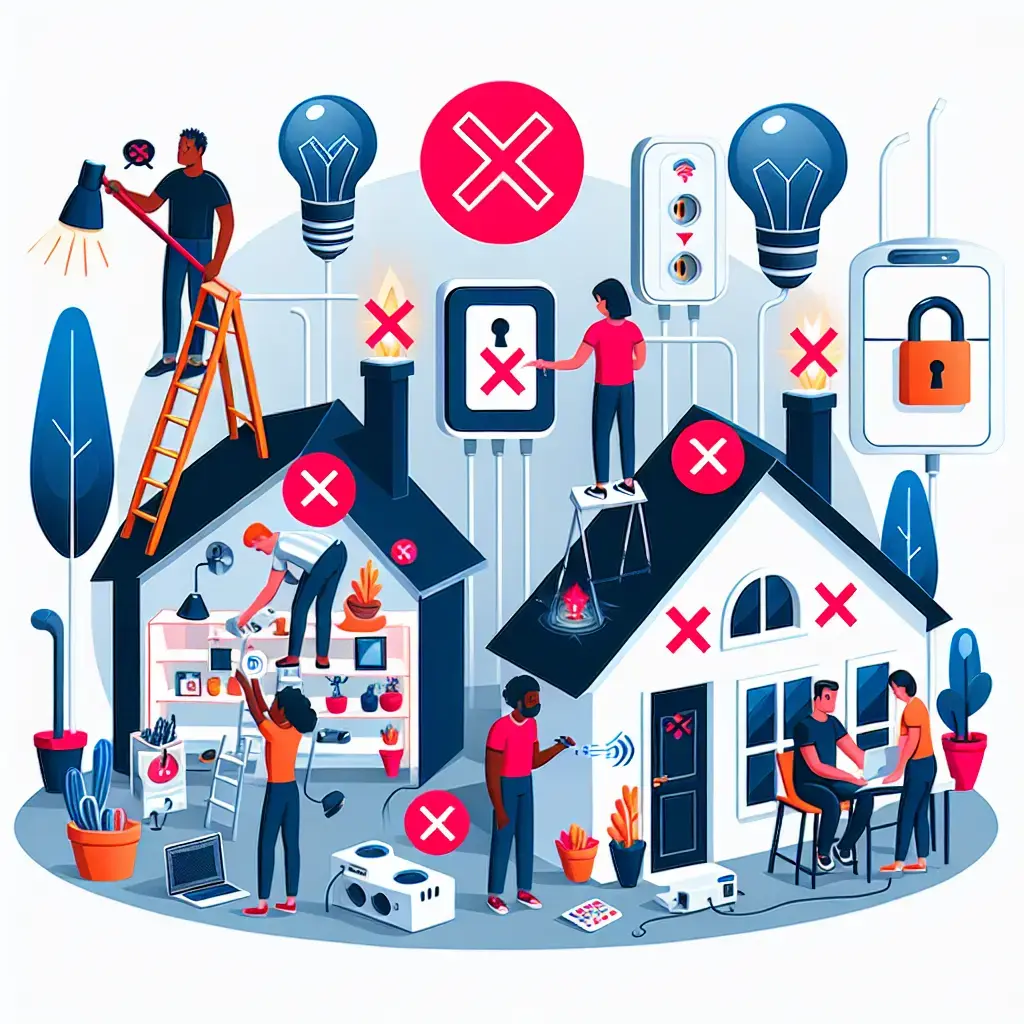
Enhancing Home Security Through Smart Automation: Avoiding Common Pitfalls
As our homes evolve with technology, the allure of smart home automation for security has become irresistible. However, diving into the world of home automation without proper planning can lead to a host of issues that compromise both functionality and safety. Here's how you can build a secure smart home while steering clear of common missteps.
Understanding the Basics
Home automation for security involves integrating various devices and systems to monitor and protect your home seamlessly. These devices can include smart locks, cameras, motion sensors, and alarm systems that you can control and monitor remotely. Before you begin:
- Assess Your Needs: Identify which areas of your home need surveillance or enhanced security.
- Budget Planning: Determine how much you’re willing to invest, keeping in mind both the initial setup cost and potential ongoing maintenance expenses.
Common Mistakes to Avoid
When embarking on your smart home journey, here are some common mistakes that even seasoned users often make:
Overlooking Compatibility:
- Ensure that all devices you choose are compatible with each other and can be integrated into a single cohesive system. Using devices from different manufacturers might require separate apps, complicating your management process.
Ignoring Network Security:
- A secure network is crucial. Failing to update default passwords or using weak Wi-Fi security protocols can leave your entire system vulnerable to breaches. Always use strong, unique passwords and consider setting up a separate network for your smart devices.
Neglecting User Education:
- Even the most advanced system is ineffective if users aren't familiar with its operation. Take time to understand how each device works and educate other household members as well.
Inadequate System Testing:
- After installation, thoroughly test each component to ensure it functions as expected. Regular testing should also be part of your routine maintenance to catch any issues early.
Underestimating Future Needs:
- Your security needs may change over time. Choose a system that’s scalable so you can add new devices without overhauling your entire setup.
Maximizing Your Smart Home Security
To make the most of your investment in home automation:
- Regular Updates: Keep all software and firmware updated to protect against vulnerabilities.
- Professional Installation: If you're unsure, hiring a professional can ensure that the installation is done correctly.
- User-Friendly Interfaces: Opt for systems that offer intuitive controls, making it easier to manage security settings from anywhere.
Conclusion
Building a smart home with robust security features requires careful planning and ongoing diligence. By avoiding common mistakes, you not only enhance the safety of your home but also ensure peace of mind for yourself and your loved ones. Embrace the convenience of smart technology while maintaining a vigilant approach to security.
For further insights on avoiding pitfalls in smart home automation, check out this article: Common Mistakes to Avoid When Building a Smart Home.
Happy securing! Keep your home safe and smart.
Author: Caleb Morgan